Explorer 240 vs. RIVER 2 vs. EB3A: Travel Rules, CPAP Runtime & Compact Buying Mistakes
Avoid sub-300Wh buying mistakes: NMC Explorer 240 v1 pitfalls, FAA 100Wh/160Wh carry-on bans, DC vs. AC CPAP runtime (88%-93%), and stepping up to 677Wh-768Wh.
None of these 240Wh–288Wh AC power stations qualify for commercial passenger flights under FAA PackSafe rules (100Wh standard carry-on limit; 160Wh absolute cap with airline approval). Shoppers also get caught buying discontinued NMC Explorer 240 v1 stock instead of LFP packs, or plugging CPAP wall bricks into AC outlets (78%–88% efficiency) instead of 12V DC (88%–93%). For reliable overnight heated CPAP or multi-day storms, step up to 677Wh–768Wh like BLUETTI AC70 or Goal Zero Yeti 700.
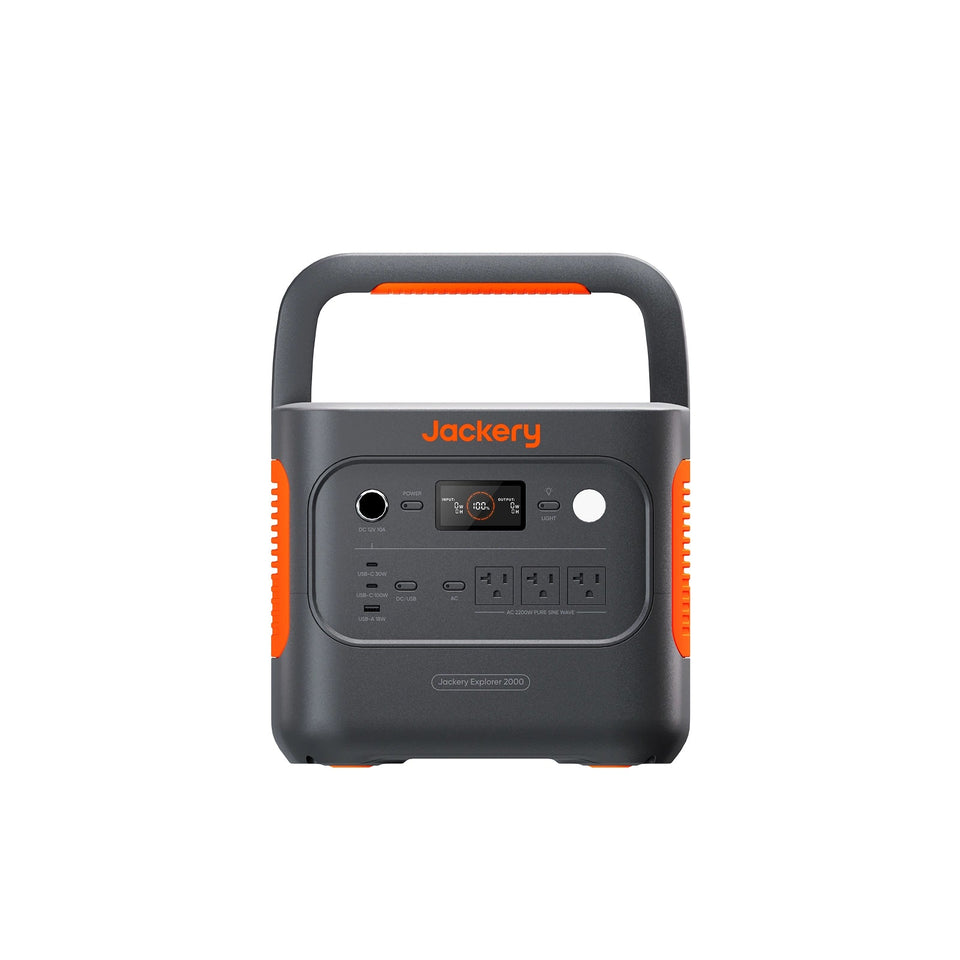
Every week, TSA security officers confiscate brand-new “travel” power stations at airport checkpoints, while storm-prepared buyers discover at 3:00 a.m. that a $220 compact battery dies halfway through an overnight CPAP cycle. The problem rarely stems from a defective battery—it happens because sub-300Wh marketing blurs road-trip portability, commercial aviation law, generation upgrades, and inverter physics.
Rather than repeating basic spec sheets comparing the Jackery Explorer 240, EcoFlow RIVER 2, BLUETTI EB3A, and Anker SOLIX C300, this guide focuses on the practical traps that catch first-time buyers off guard—and when paying slightly more for a ~700Wh step-up saves you from buying twice.
FAA Carry-On Reality: Why Zero 240Wh–288Wh AC Stations Fly Commercial
If you plan to fly with portable backup power, stop before adding any AC-equipped power station to your cart. Under Federal Aviation Administration (FAA) PackSafe lithium battery regulations, passenger aircraft enforce hard watt-hour limits:
| Battery Tier (Wh) | Checked Baggage | Carry-On Cabin Rules (US Commercial Flights) | Real-World Examples |
|---|---|---|---|
| <=100 Wh | Prohibited (spare packs) | Allowed without special airline approval | USB-C laptop power banks (20,000–27,000 mAh / 74–99.9 Wh) |
| 101 Wh – 160 Wh | Prohibited | Airline approval required (max 2 spare units) | Specialty 148Wh cinema V-mount or compact DC packs |
>160 Wh (240Wh–288Wh) |
Prohibited | Prohibited on commercial passenger flights | Jackery 240 (240/256Wh), RIVER 2 (256Wh), EB3A (268.8Wh), SOLIX C300 (288Wh) |
All four compact AC power stations sit cleanly in the 240Wh–288Wh zone—roughly 50% to 80% over the absolute 160Wh FAA limit. They are fantastic for car camping, Amtrak travel (check operator luggage rules), hotel emergency kits, and truck beds, but cannot fly on commercial passenger planes. For air travel, stick to a <100Wh airline-approved USB-C PD power bank.
The Generation Trap: Avoiding Legacy NMC & Misread SKUs
Online retailers frequently list older clearance models right next to current 2026 hardware under confusingly similar names. Two SKU traps account for most buyer frustration in this price bracket:
- Jackery Explorer 240 v1 (NMC) vs. Explorer 240 v2 (LiFePO4): Early Explorer 240 v1 units use a 240Wh NMC battery rated for only ~500 cycles, cap AC output at 200W, omit USB-C ports entirely, and rely on a slow ~5.5-hour external barrel charger. Jackery’s refreshed Explorer 240 v2 upgrades to a 256Wh LiFePO4 pack (
3,000+cycles), 300W AC inverter, 100W USB-C, and ~1–2 hour fast charging. Always check the product label for LiFePO4 and300Wbefore buying discounted Jackery stock. - Anker SOLIX C300 (Model A1722) vs. C300 DC: Anker sells a cylindrical DC-only C300 DC (
288Wh, no AC wall outlets, ~$199) alongside the AC-equipped Anker SOLIX C300 Model A1722 (288Wh, 3 AC outlets,<10 msUPS, ~$229 street). Shoppers wanting a 120V AC plug for lamps or CPAP bricks must verify SKU A1722.
Overnight CPAP Math: Why DC (88%–93%) Outlasts AC (78%–88%)
Medical Safety Caution: Consumer portable power stations are not certified medical life-support equipment and no lithium battery system is completely risk-free. Always confirm power requirements, approved DC cables, and emergency outage plans with your sleep physician and CPAP device manufacturer before relying on battery backup.
Many travelers buy a 256Wh–288Wh pack assuming it guarantees a full 8-hour night on a CPAP machine. Checking actual power draw shows why so many wake up to a silent mask at 2:30 a.m.:
- CPAP Without Heated Humidifier or Heated Hose: Averages roughly 30W–50W (~45W baseline), consuming roughly 360 Wh over 8 hours.
- CPAP With Heated Humidifier & Heated Tube Active: Heating plates and coils jump draw to ~70W–90W+—consuming 560–720+ Wh over 8 hours.
Now layer in inverter conversion efficiency explained in our Power Station Efficiency Guide:
| Power Method | Assumed Efficiency Range | Usable Energy From 256Wh (RIVER 2) | Usable Energy From 288Wh (SOLIX C300) | Can It Last 8 Hours @ 45W (360Wh Need)? |
|---|---|---|---|---|
| 120V AC Wall Brick (Inverter ON) | 78%–88% AC (lower at light loads) | ~200–225 Wh | ~225–253 Wh | No (~4.5–5.5 hrs typical before shutdown) |
| Manufacturer 12V/24V DC Cable (Inverter OFF) | 88%–93% DC | ~225–238 Wh | ~253–268 Wh | Borderline (only if blower draws <=30W with zero heat) |
Leaving the AC inverter running overnight forces battery DC up to 120V AC, burns 8W–15W of continuous inverter idle overhead, and steps right back down to 12V/24V inside your CPAP power brick. Even switching to an approved 12V DC adapter only gives a 256Wh–288Wh unit enough headroom for an unheated low-pressure machine—never heated humidification.
Five Compact Power Station Buying Mistakes (And How to Dodge Them)
- Mistaking High Inverter Watts (
600WEB3A) for High Battery Capacity (268.8Wh): The BLUETTI EB3A’s600Wpure sine wave inverter runs higher-draw gear than300Wrivals, yet drawing500Wstill empties its268.8Whpack in under 30 minutes. Match watt-hours to duration, not just peak watts. - Leaving the AC Button On While Charging Phones: Turning on the 120V AC button overnight just to plug in a standard USB phone brick wastes 20%–35% of a small pack on inverter standby heat. Keep AC OFF and use USB-C PD ports (
60Won RIVER 2;100Won EB3A/240 v2;140Won C300). - Ignoring Eco / Auto-Shutoff Timers: Default factory auto-off timers cut DC or low-watt AC ports after a few hours when loads dip below
10W–15W(common on routers and paused CPAP units). Disable eco-shutoff in the brand app when running overnight gear. - Charging Below Freezing (
32°F / 0°C) in Winter Cars: Like virtually all standard LFP packs, RIVER 2, EB3A, and C300 lock out charging below32°Fto protect battery health. Never store a depleted unit at0%in a cold trunk—keep it indoors around50%–80%state of charge per our Storage & Temperature Guide. - Assuming Every Compact Station Is a Computer UPS: EcoFlow RIVER 2 switches in
<30 ms(EPS), and BLUETTI EB3A uses10–20+ msbypass switching—too slow to guarantee desktop PCs won’t reboot. Only the Anker SOLIX C300 (<10 ms) targets fast workstation/router switchover under $250.
When Stepping Up to 677Wh–768Wh Saves You From Buying Twice
For roughly $150–$300 above a 256Wh entry pack, two mid-compact LFP stations eliminate nearly every runtime and solar bottleneck discussed above:
| Step-Up Model | Capacity & Weight | Continuous AC & Solar | Key Verified Advantage Over Sub-300Wh Class |
|---|---|---|---|
BLUETTI AC70 (~$429 street) |
768Wh / 22.5 lbs | 1,000W AC / 500W solar (12–58V) |
~3× the usable energy: Independently measured at 730.59 Wh (APH Networks @ 136W) and 705 Wh (PowerOffGrid @ 250W) usable AC; covers 1–2 nights unheated CPAP + 500W fast solar recovery. |
Goal Zero Yeti 700 (~$549 street) |
677Wh / 20.3 lbs | 600W AC / 200W solar (15–50V) |
IPX4 splash-resistant chassis with sealed port doors + 5-year US warranty for dusty overlanding, damp boats, and 12V camp fridges (trade-off: Bluetooth/Wi-Fi at lower 200W solar ceiling). |
Bottom-Line Use-Case Checklist
- Buy a Sub-300Wh Pack (
~$190–$270) if you strictly need day-trip laptop/camera charging, tailgate speakers, emergency smartphone top-offs, or a<10 msrouter/modem UPS (Anker SOLIX C300 A1722 leads USB-C/UPS; EcoFlow RIVER 2 leads 60-min wall speed and 5-yr warranty; BLUETTI EB3A fits niche 400W–550W short-burst loads). - Skip Air Travel With Any of Them and pack a
<=99Whairline-legal USB-C power bank instead. - Step Up to 677Wh–768Wh (BLUETTI AC70 or Goal Zero Yeti 700) immediately if overnight CPAP backup, 12V camp fridges, or multi-day storms are on your checklist—and verify exact runtimes first in our Runtime Calculator or How to Choose Guide.

Models Discussed in This Article
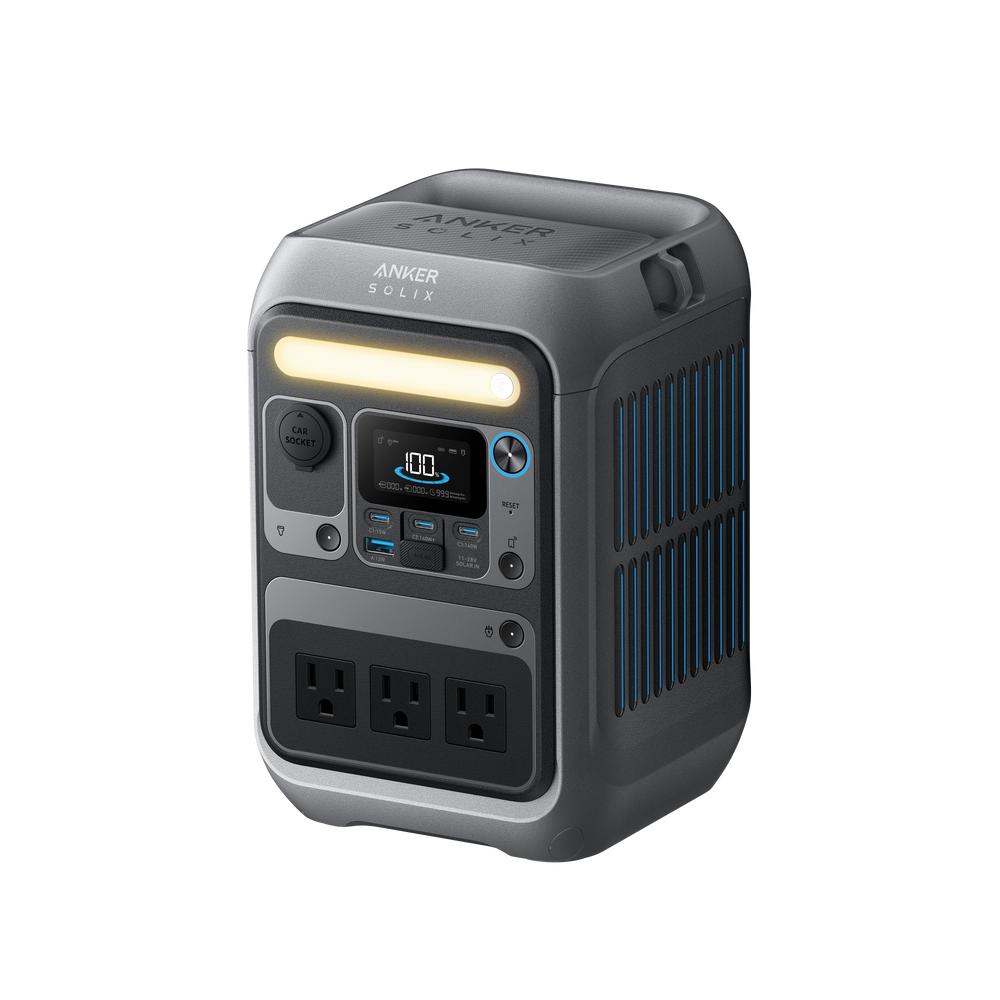
Anker SOLIX C300
A 9.1 lb vertical LiFePO4 station delivering 300W AC, dual 140W USB-C ports, and <10 ms UPS backup for routers, laptops, and day trips — just don't confuse it with the DC-only C300 DC or expect appliance runtime.
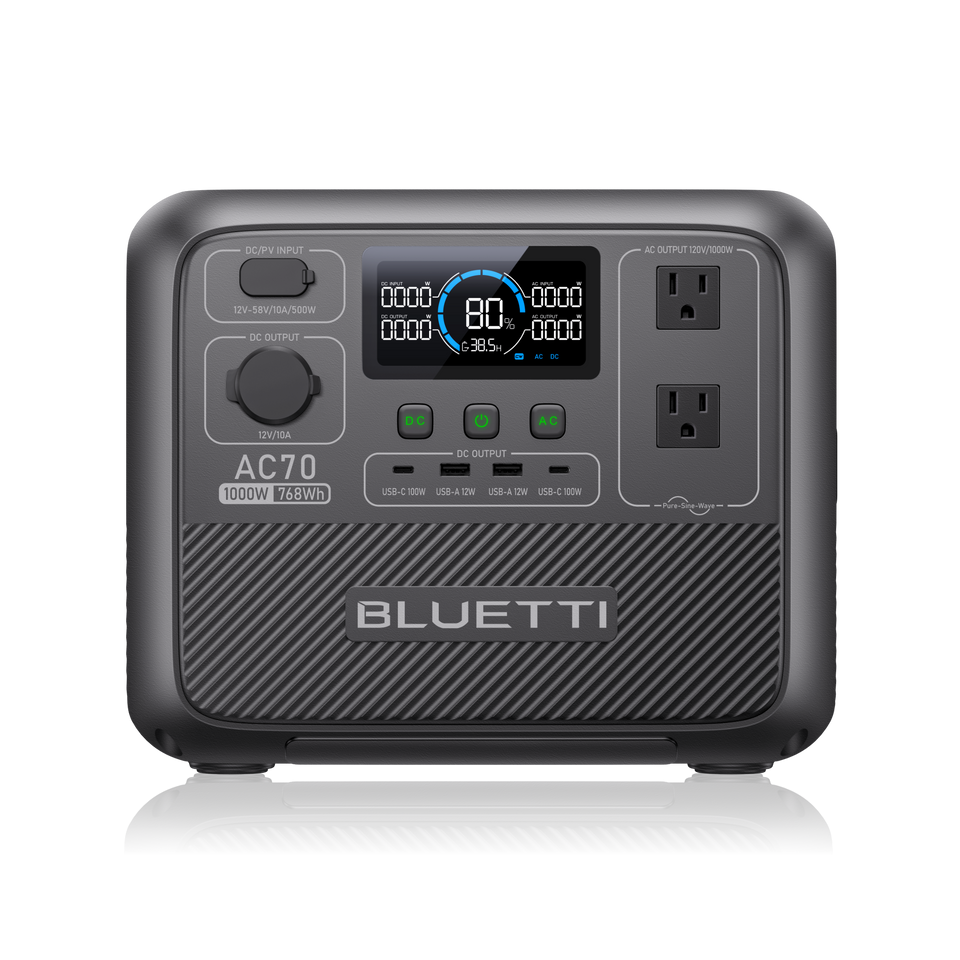
BLUETTI AC70
With 705–730.6 Wh of independently measured usable AC output from a 768Wh battery and 500W solar input at ~$399–$449 street price, the AC70 punches above typical 500Wh–700Wh units.
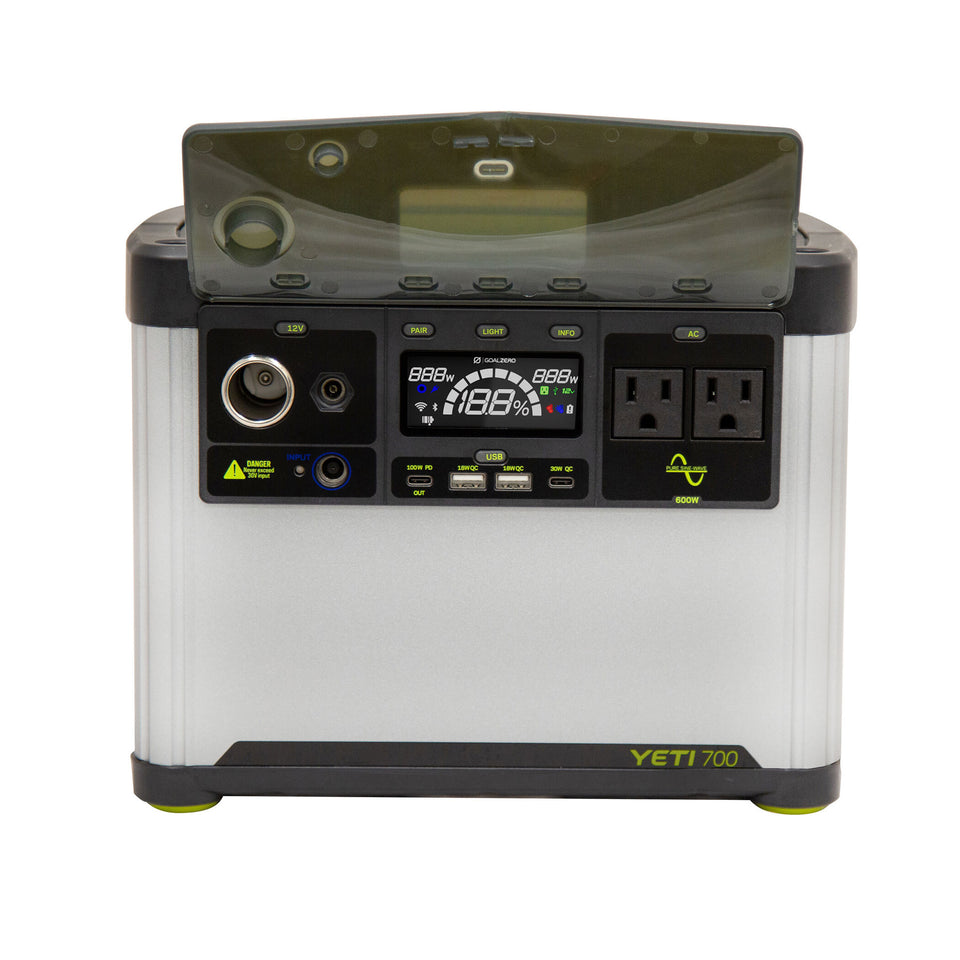
Goal Zero Yeti 700
Prioritizes IPX4 splash resistance, 4,000-cycle LFP longevity, and US-based warranty support over raw inverter wattage or solar charging speed.
Frequently Asked Questions
Can I take a Jackery Explorer 240, EcoFlow RIVER 2, BLUETTI EB3A, or Anker SOLIX C300 on an airplane?+
No. Under FAA PackSafe hazardous materials rules for US flights, spare lithium-ion batteries and portable power stations are strictly prohibited in checked luggage and limited to 100Wh standard (or up to 160Wh only with explicit prior airline approval) in carry-on bags. At 240Wh to 288Wh, every AC power station in this class exceeds the 160Wh FAA passenger aircraft ceiling.
Will a 256Wh or 288Wh power station run my CPAP machine for a full 8-hour night?+
Only if heated humidification and heated tubing are turned OFF and your blower draws roughly 25W–30W over an approved 12V/24V DC cable (88%–93% DC efficiency). At a typical ~45W unheated draw (~360Wh over 8 hours), or ~70W–90W+ heated draw (560–720+ Wh), a 240Wh–288Wh station dies mid-night. Reliable overnight CPAP backup starts around 677Wh–768Wh.
Why did my sub-300Wh power station turn off overnight while powering a CPAP or router?+
Many compact stations enable an eco or AC/DC auto-shutoff timer by default. When a low-draw device like a fiber modem or CPAP machine during breath pauses drops under 10W–15W for an extended period, the station assumes nothing is connected and powers down the port. Disable or extend auto-timeout settings in the brand app before sleeping.
When does upgrading to a 768Wh BLUETTI AC70 or 677Wh Goal Zero Yeti 700 make better financial sense?+
If you expect to run a CPAP overnight, camp for 2–3 days without grid plugs, keep a Wi-Fi router plus laptop workstation running all day during an outage, or charge from 200W–500W solar panels, stepping up from ~$230 (256Wh–288Wh) to ~$429–$549 (677Wh–768Wh) triples usable capacity while cutting cost per usable watt-hour.
Sources & Technical References
- View Source →[1]Technical & Safety StandardFederal Aviation Administration (FAA)Verified 2026-11-25PackSafe Hazardous Materials Guidance: Spare Lithium Batteries & Power Banks
Establishes the 100Wh standard carry-on threshold (and 160Wh airline approval cap) distinguishing airline-legal power banks from 250Wh+ portable power stations.
- View Source →[2]Manufacturer SpecificationBLUETTI US OfficialVerified 2026-11-24BLUETTI AC70 Portable Power Station Official Specifications
768Wh LFP, 1,000W continuous AC, 2,000W Power Lifting resistive mode, 500W MPPT solar (12-58V, 10A), 950W Turbo AC charge.
- View Source →[3]Third-Party Independent ReviewAPH NetworksVerified 2026-11-24BLUETTI AC70 Portable Power Station Load Test Review
Constant 136W AC load discharge test measured 730.59 Wh usable output (~95% of rated 768Wh cell capacity; ~92.5% net inverter efficiency).
- View Source →[4]Manufacturer SpecificationGoal Zero OfficialVerified 2026-11-24Goal Zero Yeti 700 Portable Power Station Specifications
677Wh LFP, 600W AC, 1,000W surge, 200W solar max, IPX4 weather-resistant chassis, 5-year warranty.
- View Source →[5]Manufacturer SpecificationAnker SOLIX US OfficialVerified 2026-11-24Anker SOLIX C300 Portable Power Station (Model A1722) Specifications
288Wh LFP AC-equipped model (distinct from DC-only C300 DC), 300W AC, 600W SurgePad, 100W XT60 solar, <10ms UPS.